let’s talk


There’s a cautious way to use AI in design, and then there’s how we use it.
We use AI aggressively.
Not as a side experiment. Not as a novelty. It’s embedded into how our team works every day, from senior leads to junior designers. The result isn’t fewer designers, but better ones. Faster, more exploratory, and more focused on what actually matters.
This isn't a theory. Here are a few real ways it’s changed how we design.
The hardest part of design used to be starting.
Now it’s the fastest.
We use tools like Claude AI, Variant AI, and Google Stitch to generate multiple visual directions within minutes.
Instead of:
We get:
What changed:
Unexpected benefit:
Junior designers develop taste faster. When you can compare 10 directions side-by-side, you start to understand why something works, not just what works.
We’ve started skipping traditional low-fidelity wireframes in some workflows.
Using AI, designers generate:
Tools like Claude AI and Lovable help us go from idea to structured UI almost instantly.
What changed:
Unexpected benefit:
Designers think more in systems earlier. When structure is generated quickly, the focus shifts to flow, hierarchy, and usability sooner.
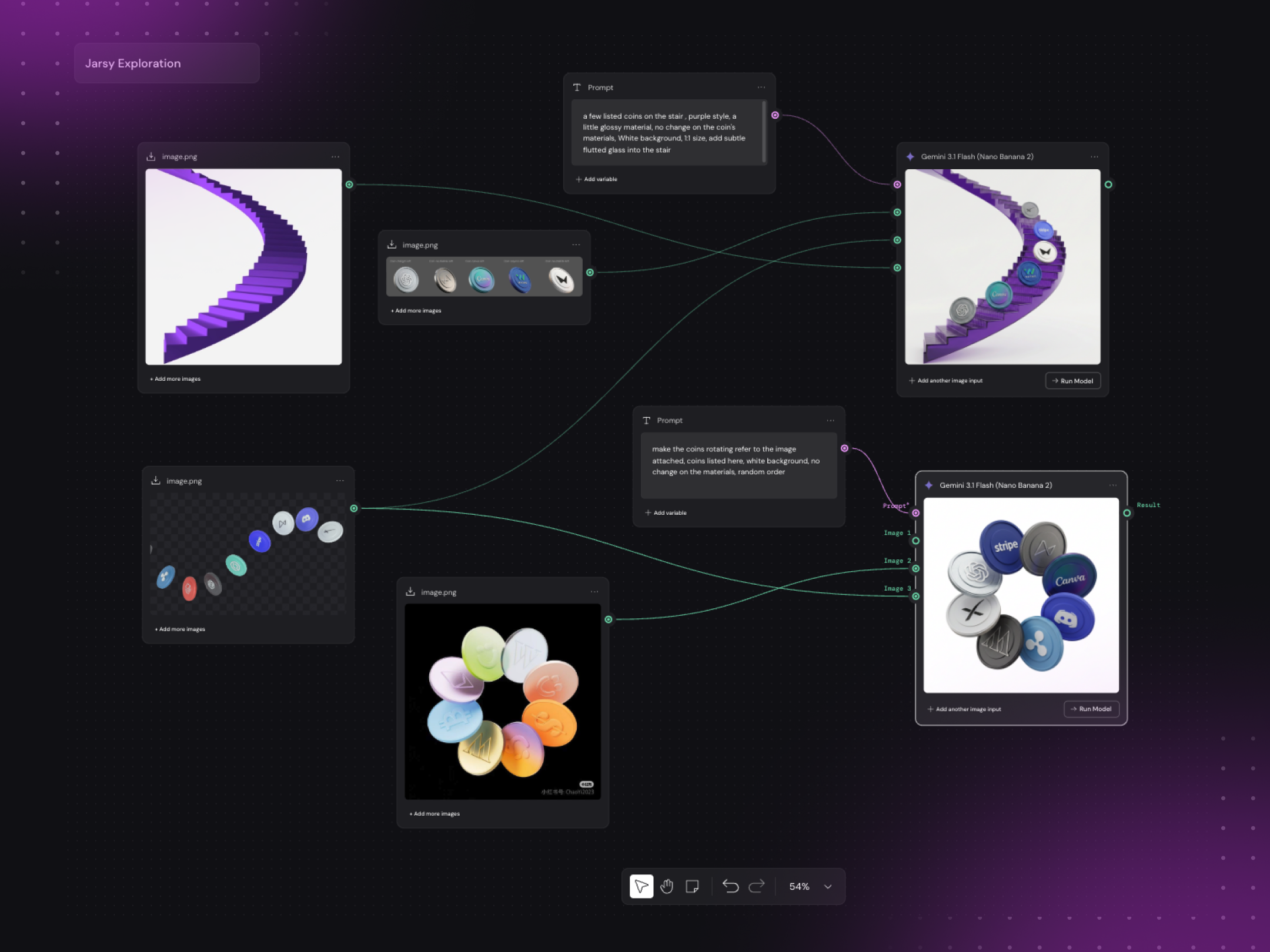
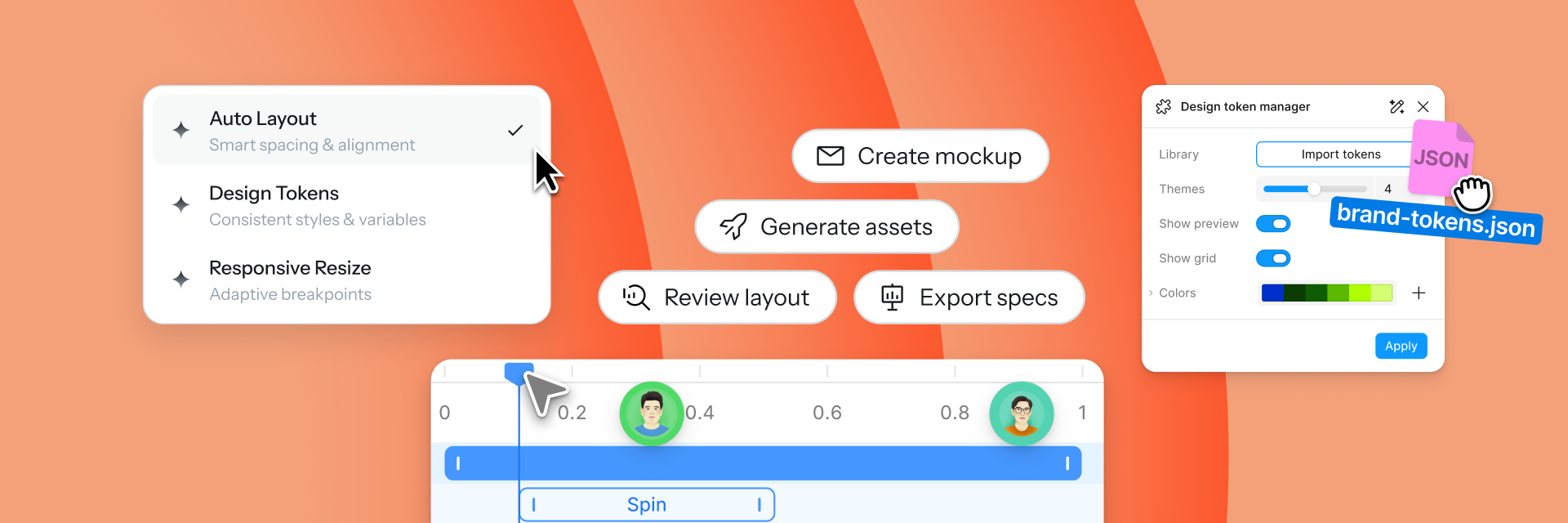
Static screens don’t sell ideas, experiences do.
We use AI to quickly generate:
This lets clients feel the product early instead of imagining it.
What changed:
Unexpected benefit:
Designers become better storytellers. AI handles the mechanics, so they focus on the narrative of the interaction.
Design is still 80% detail work. We just don’t do it manually anymore.
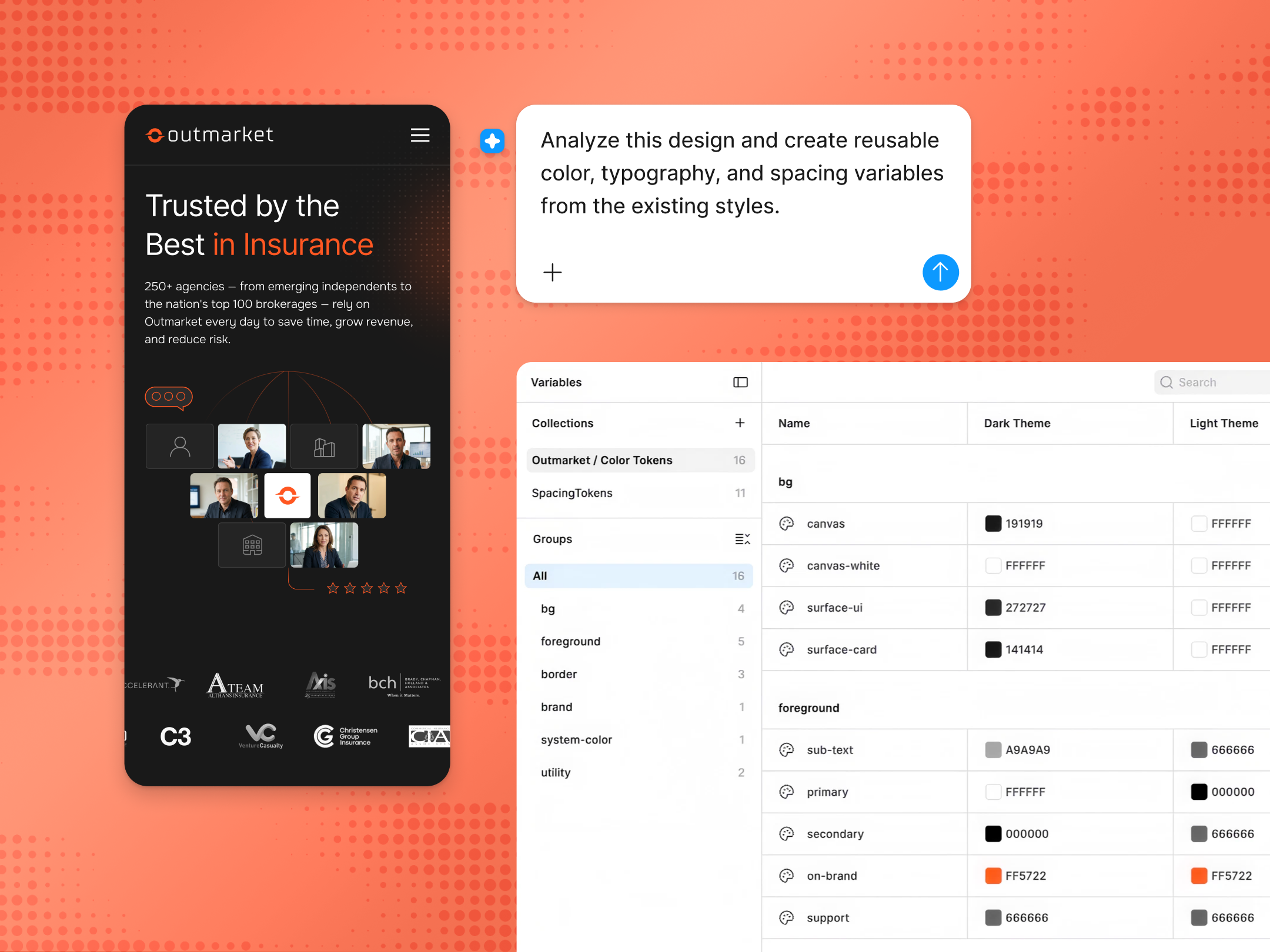
Using tools like Codex and custom scripts, we automate:
We also use Higgsfield for generating custom visuals and assets.
What changed:
Unexpected benefit:
Consistency improves. While AI handles precision by catching small details and keeping layouts aligned, humans remain the essential guardrail—ensuring the work stays ethical and attuned to strictly human taste.
Not even close.
What it’s done is remove the excuses.
You can’t hide behind “I didn’t have time to explore” anymore.
You can’t rely on safe ideas when you’ve seen 10 better ones in minutes.
You can’t ignore polish when the baseline is already high.
AI hasn’t closed the gap, it’s raised the floor.
The designers who benefit the most:
We’re not using AI to replace thinking.
We’re using it to force better thinking.