let’s talk


At Interactive Labs, we recently partnered with the team at Offset on a project that flipped the traditional product-engineering workflow on its head. Instead of lengthy PRDs and static Figma hand-offs, Offset’s product managers built “vibe-coded” prototypes live, clickable prototypes that expressed both intent and behavior directly in code.
Our engineering team then took those vibe-coded prototypes and turned them into production-ready, secure, and maintainable software without losing the creative energy that came from Offset’s initial “vibes.”
Vibe coding sits somewhere between design and engineering. Instead of a PRD or spec doc, the product manager builds a working prototype often messy, minimal, and full of expressive shortcuts to communicate the feel and intent of a feature. It’s not meant to ship; it’s meant to speak code to engineers instead of words in a doc.
Think of it as a PRD written in code, playable from the start.
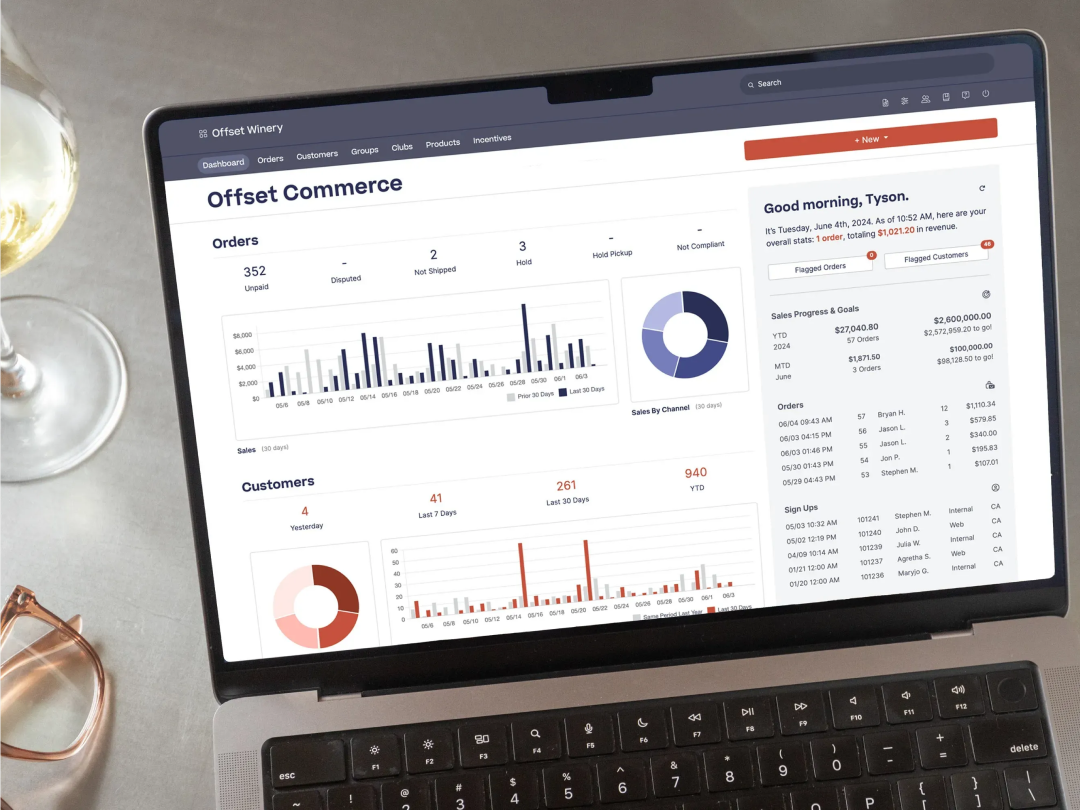
When we first saw Offset’s prototypes, they looked more like creative sketches than codebases but that’s what made them powerful. They were:
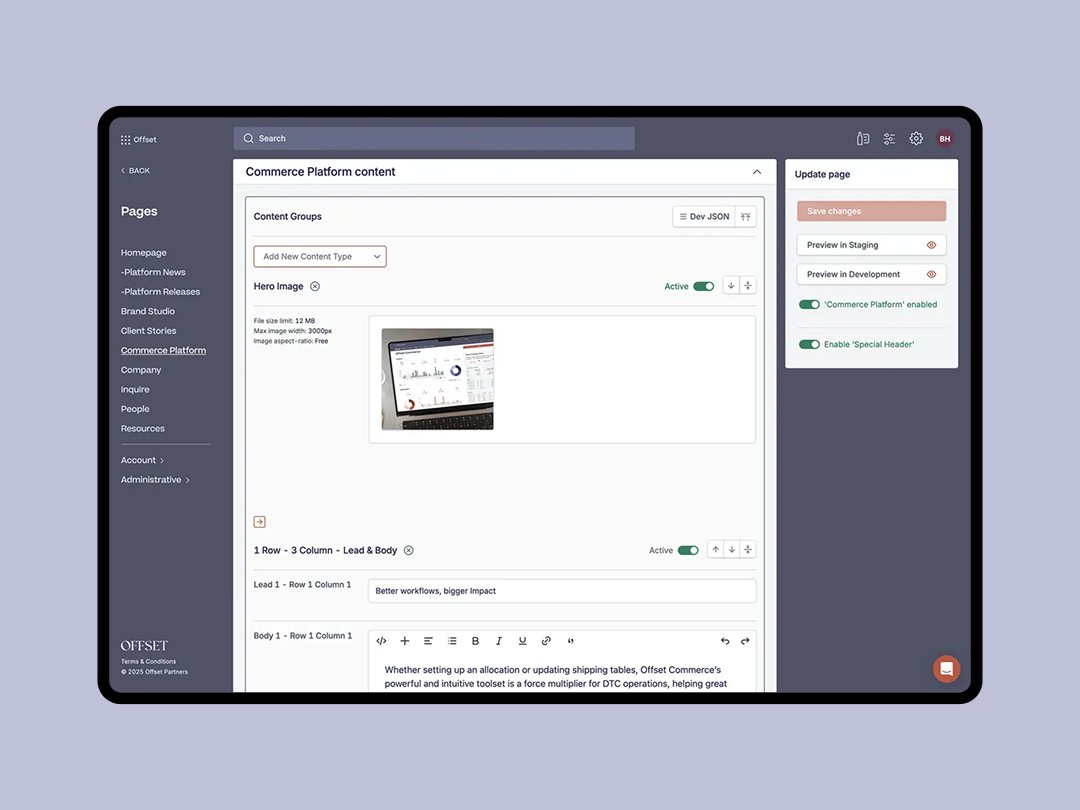
Our engineers approached these prototypes with respect for the creative signal inside them. We built a process that:
In effect, we maintained two codebases: one for the vibe prototype (the evolving, expressive PRD) and another for the production implementation.
This hybrid model gave us surprising advantages:
Startups often struggle with the handoff between vision and implementation. Traditional PRDs can’t always capture motion, tone, or interaction intent, and design tools often stop short of code.
A vibe-coded workflow bridges that gap. It empowers PMs to express product ideas in runnable form and gives engineers a living, testable source of truth.
The key is building an engineering culture that sees prototype code not as a throwaway, but as a conversation starter written in code.
We believe this approach could become a model for early-stage startups where speed, clarity, and creativity matter most. By giving product managers the power to vibe-code their ideas, and giving engineers a path to turn those vibes into robust systems, teams can close the gap between inspiration and execution.
At Interactive Labs, we’re already expanding this workflow across other projects and the results so far are just as exciting as they are efficient.